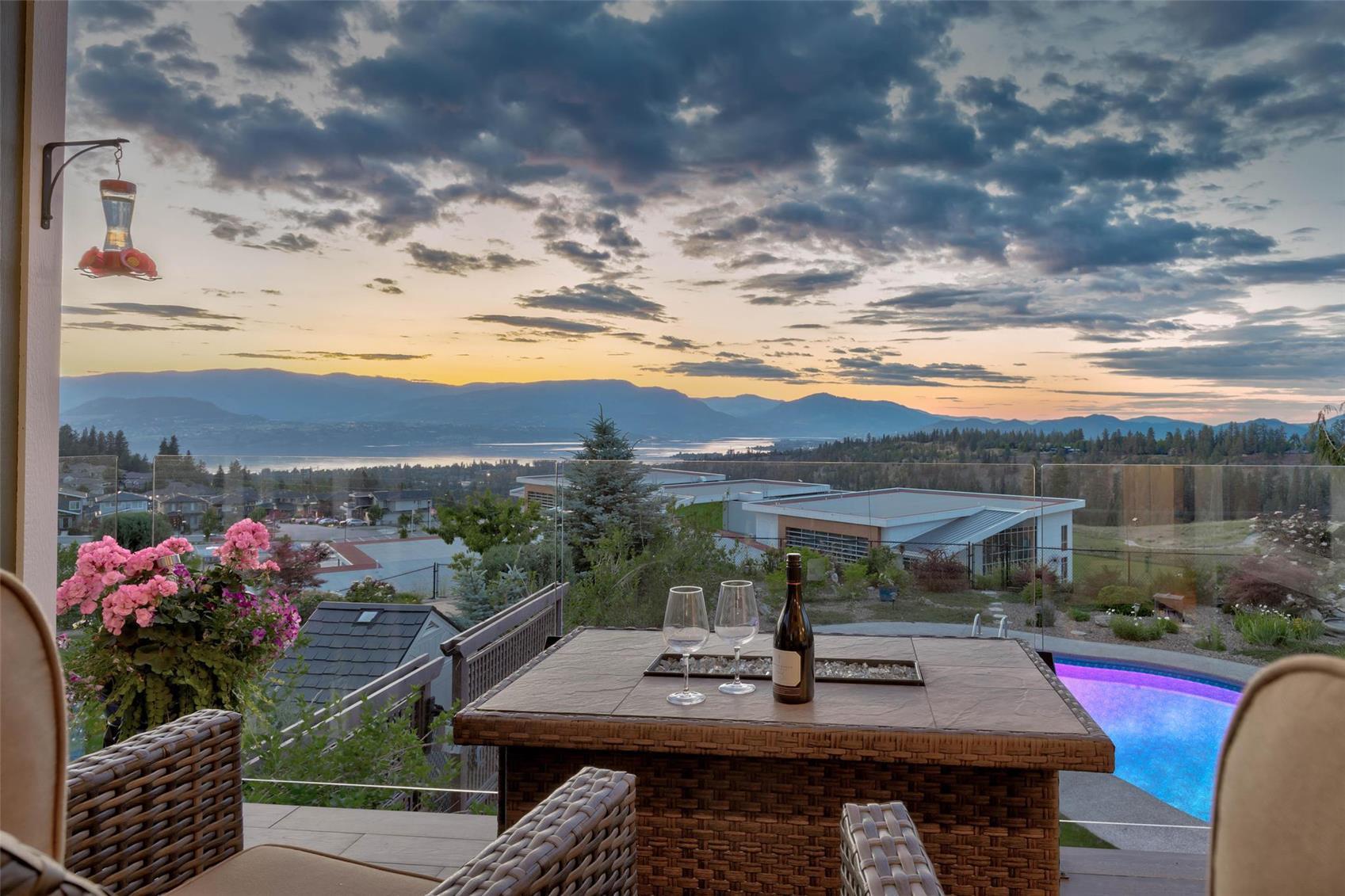
The best open house content ideas for realtors all share one trait: they treat the event as a production, not just an afternoon. Before the first visitor rings the doorbell, you should already have a shot list, a rough email outline, and a plan for what happens to the footage on Monday morning. Do that consistently and a single two-hour open house becomes roughly a month of social posts, two email campaigns, one neighbourhood story, and a handful of short videos — without manufacturing anything artificial.
What Content Can One Open House Actually Generate?
More than most agents realize. Walk through the categories deliberately:
- Pre-event teasers — a Reel or Story of you staging the space, a "coming this Sunday" carousel with three hero-room photos, a short email to your list with the address and a compelling detail about the street.
- Day-of live content — a quick walkthrough video posted to Stories before doors open, a candid clip of the view from the back deck, a poll asking followers to guess the square footage.
- Post-event recap — a static post summarizing attendance, a brief "what visitors loved most" caption, a short-form video stitching together your best clips from the afternoon.
- Educational spin-offs — a post explaining what to look for in a layout like this one, a neighbourhood breakdown, a note on how the street's price history compares to nearby blocks.
- Follow-up email sequences — a same-day thank-you to registered attendees, a second email three days later with updated photos or a video tour link, a third that pivots to similar listings if this one sells.
That list is not theoretical. It is what falls out naturally when you plan the shoot in advance and treat the open house as the raw material, not the finished product.
How Do You Actually Shoot It Without Looking Like a Crew Showed Up?
The goal is footage that feels warm and candid, not produced. A smartphone on a small gimbal handles the walkthrough. Natural light does most of the work if you time arrival for an hour before the event starts, when rooms are empty and window light is at its best. Shoot the kitchen counter with the coffee on it. Get the front door from the street. Walk the backyard slowly. None of this takes equipment; it takes intention.
For still photography, the open house is also a good opportunity to capture lifestyle details the original listing shoot may have missed — an afternoon shadow pattern across the living room floor, the neighbour's mature trees visible from the primary bedroom. These shots have a different texture than a formal listing photo, and that texture works well on social. If your listing photography could use a refresh before the event, our AI photo studio can clean up and enhance images without a second shoot.
Capture everything, edit later. You will not use half of what you shoot, but you cannot recreate a moment you missed.
What Open House Content Ideas for Realtors Actually Perform on Social?
Format matters as much as subject. A few patterns that hold up consistently:
- Before/after staging clips — even a minor declutter reads as transformation on video. Show the dining table before you rearranged it, then after. Thirty seconds.
- One specific detail per post — not "gorgeous home," but "the original hardwood under this carpet was hiding for forty years." One specific thing outperforms a general tour every time.
- Question-led captions — "Would you keep the open shelving or enclose it?" invites a reply. Replies extend reach. It is that mechanical.
- Neighbourhood context — a sixty-second walk from the front door to the closest coffee shop is useful content for anyone considering the area. It also demonstrates local knowledge in a way a listing photo cannot.
- Attendance social proof — "Thirty-four groups came through Sunday" is a legitimate market signal. It reassures sellers and signals to buyers that the area is active.
Our social content tools can help you schedule and format these posts across platforms so the week-after distribution does not become a manual chore on top of an already full pipeline.
How Does the Open House Feed Your Email List?
Email is where the long-term value sits. Visitors who register at the door have expressed genuine intent; they are worth a dedicated sequence, not just a generic newsletter drop.
A simple three-part structure works well: the first email goes out the same evening with a thank-you, the listing link, and one photograph they probably did not see on the way through. The second goes out seventy-two hours later with a short video tour and a note on next steps — offer deadline, upcoming price review, whatever is true. The third email, if the home is still active, pivots gently to comparable properties or asks whether they would like to see anything else that week.
For your broader list — past clients, referral contacts, social followers who have opted in — the open house becomes a neighbourhood market update. You do not need to pitch the listing hard; you are sharing what you observed. How many groups came through. What questions buyers were asking. What the response to the price point looked like. That kind of honest field report is genuinely useful to anyone thinking about buying or selling in the area, and it is the kind of content that keeps people on your list. Our email platform makes it straightforward to segment these two audiences and send each the version that fits.
For a deeper look at what AI can handle in your broader marketing workflow, this overview of AI uses in real estate covers where the tools are actually saving agents time versus where human judgement still matters most.
Turning the Neighbourhood Into Its Own Content Thread
The open house puts you physically in a neighbourhood for a few hours. Use that. Walk the block. Note the new café, the park condition, the school proximity, the parking reality. That field research feeds content that stays relevant long after the listing closes.
A neighbourhood page or post built from genuine observation outperforms anything assembled from a map search. If you are building out area pages on your website, our guide on what to put on a neighbourhood page covers exactly what buyers are looking for and how to organize it so the page actually ranks.
The Week-After Checklist
The content does not produce itself after the event. A simple Monday routine keeps it from slipping:
- Edit and post the recap video by Tuesday at the latest — recency still matters.
- Pull two or three still frames from your footage for mid-week static posts.
- Send the follow-up email to registered attendees within forty-eight hours.
- Draft the neighbourhood market-update email for your broader list; schedule it for Thursday or Friday.
- Flag any footage or observations that could become a standalone educational post the following week.
That is roughly ninety minutes of work spread over five days. The open house did the hard part — you were there, you captured it, and the material is real. Repurposing it is mostly a scheduling and editing discipline, not a creative lift.
If your listing copy needs to do more work before the next open house even happens, our guide to writing listing descriptions that sell covers how to lead with the details that actually move buyers to show up.
One event, one afternoon, one month of content. That is the return when the planning happens before the doors open.