When agents ask what to put on a neighbourhood page for real estate, the short answer is this: current market data, honest lifestyle context, practical logistics, and a clear reason to contact you. That's the core. Everything else — photos, school details, transit notes — supports those four pillars. Get those right and the page works; ignore them and you have a brochure no one reads.
Why Most Neighbourhood Pages Fail Buyers
Browse the average agent website and you'll find neighbourhood pages that read like a Wikipedia summary: a paragraph about when the area was developed, a list of parks, maybe a stock photo of a coffee shop. Buyers skim them in under twenty seconds and leave. The problem isn't length — it's relevance. A buyer comparing two neighbourhoods is asking very specific questions: What will my commute look like? What sold here last month? Is this block family-friendly or better suited to empty-nesters? Generic copy answers none of those questions, so the page earns no trust and generates no leads.
The fix is to write for the decision the buyer is actually making, not the neighbourhood you want to celebrate. That shift changes everything about what you choose to include.
What to Put on a Neighbourhood Page for Real Estate: Section by Section
1. A Market Snapshot — Not a History Lesson
Lead with numbers. Buyers want to know what's happening right now: average sold price, typical days on market, and whether inventory is tighter or looser than it was six months ago. You don't need to invent precision — rough ranges are fine, and they're more credible than suspiciously tidy figures. A sentence like "Detached homes here have been trading roughly between $900,000 and $1.2 million over the past few quarters, with most properties going firm within two to three weeks" is far more useful than a paragraph about the neighbourhood's "vibrant real estate landscape."
Update this section at least quarterly. Stale data is worse than no data — it signals to technically-minded buyers that you're not actually active in the area.
2. Lifestyle Context That's Honest About Trade-offs
Every neighbourhood has a personality and every personality has trade-offs. A high-rise condo corridor near a transit hub is convenient and noisy. A quiet cul-de-sac subdivision is peaceful and car-dependent. Say both things. Buyers who arrive with accurate expectations become clients who don't cancel on their second showing.
Good lifestyle content covers the texture of daily life: where locals actually get groceries (not just which chains are within five kilometres), whether the restaurant strip is walkable or a drive, how the neighbourhood changes between weekday mornings and Saturday afternoons. Write this the way you'd describe the area to a relocating colleague — specific, candid, and first-hand.
3. Schools, Even If You Can't Rank Them
School boundaries drive purchase decisions for a significant share of buyers. List the public and Catholic schools that serve the area, note any French-immersion or specialized programs if they're well-established, and link to the relevant school board's website so buyers can verify catchment boundaries themselves. Don't editorially rank schools or imply one is superior — that's territory where you want buyers doing their own research. Your job is to make that research easier.
4. Transit and Commute Reality
Name the nearest subway, GO, LRT, or bus routes. Give a rough commute time to the downtown core during peak hours — not Google Maps' optimistic off-peak estimate. If street parking is scarce or a bike lane recently changed traffic patterns, mention it. Buyers who discover commute friction after an accepted offer don't come back to you for a second purchase.
5. Practical Logistics Buyers Forget to Ask About
This is the section most agents skip entirely, and it's where you can genuinely differentiate the page. Think about what buyers wish they'd known before moving in:
- Parking situation — street permit zones, visitor restrictions, underground availability in condo buildings
- Seasonal considerations — flood-plain proximity, older stormwater infrastructure, how bad the ice is on north-facing streets in February
- Noise sources — a nearby rail corridor, a nightlife strip that quiets down mid-week, a flight path overhead
- Upcoming development — approved rezonings, a new transit station in the planning stage, a park revitalization underway
None of this is negative — it's complete. Buyers who feel they received complete information are the ones who refer you to their friends.
6. Recent Listings and Sold Properties
A live feed of current and recently sold listings anchors the page in reality and gives buyers a reason to return. It also demonstrates that you're actively working the area, not just claiming expertise in it. If your website platform supports embedded IDX or MLS feeds, use them here. Our agent website tools make it straightforward to embed live listing data directly into neighbourhood pages without needing a developer.
How Do You Make a Neighbourhood Page Actually Convert?
Content alone doesn't convert — structure does. A page that answers every question but buries the call to action at the bottom will generate readers, not leads. Place a simple contact prompt after your market snapshot (before the reader has to scroll past three sections to find it) and another at the very end. The prompt doesn't need to be elaborate: "Thinking about buying in [neighbourhood]? We can walk you through what's active right now — reach out here" is enough.
Consider adding a short value-exchange offer: a neighbourhood-specific sold report, a walkability guide, or a one-page school-boundary map. Buyers who request something tangible are far warmer than anonymous page visitors. For more on writing copy that moves buyers toward action, our guide on writing listing descriptions that sell covers the same principle applied to individual properties — the psychology transfers directly.
Photographs and Visual Content
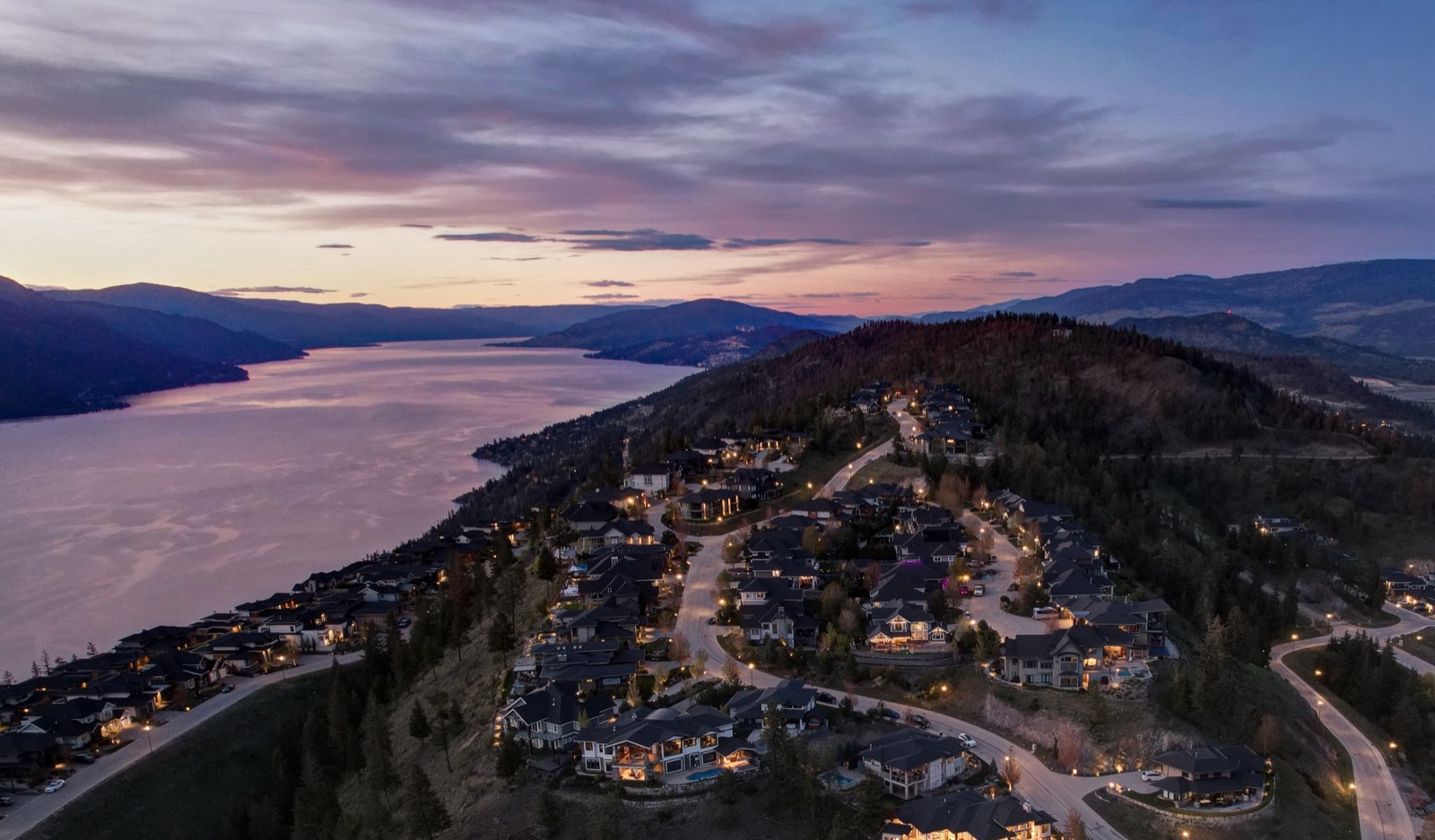
Use your own photographs wherever possible. Stock images of generic streetscapes communicate nothing about the specific neighbourhood and buyers often recognize them. A photo of the actual farmers market, the real ravine trail, or the corner café you mentioned three paragraphs earlier builds credibility in a way no library image can. If you're building out multiple neighbourhood pages and need help producing or editing original visuals at scale, our photo studio tools can help you turn raw shots into polished, on-brand images without a full production workflow.
How Long Should a Neighbourhood Page Be?
Long enough to answer the buyer's question, short enough that they read it. In practice, that's usually somewhere between 600 and 1,000 words of prose, supported by a few structured sections and a live listing feed. Pages under 400 words rarely rank well and rarely satisfy buyers. Pages over 1,500 words of unbroken prose rarely get read past the halfway point. Use subheadings, short paragraphs, and bullet lists to make the page scannable — buyers will read in non-linear order, jumping to the section that answers their immediate concern.
Keeping the Page Current
A neighbourhood page has a shelf life. Market data goes stale, school boundaries change, new development announcements shift the character of an area. Build a quarterly review into your calendar — thirty minutes to update the market snapshot, check that all links still work, and note anything significant that happened in the neighbourhood over the past few months. An outdated page damages credibility faster than no page at all.
If you're managing neighbourhood content across several areas and want to streamline how you create and update it, the practical guide to using AI in real estate covers exactly how tools like ours can help you draft and refresh this kind of content without starting from scratch each time.
Done well, a neighbourhood page is one of the highest-return assets on your website. It works while you're at showings, it answers questions before buyers book a call, and it positions you as the agent who actually knows the street — not just the postal code.