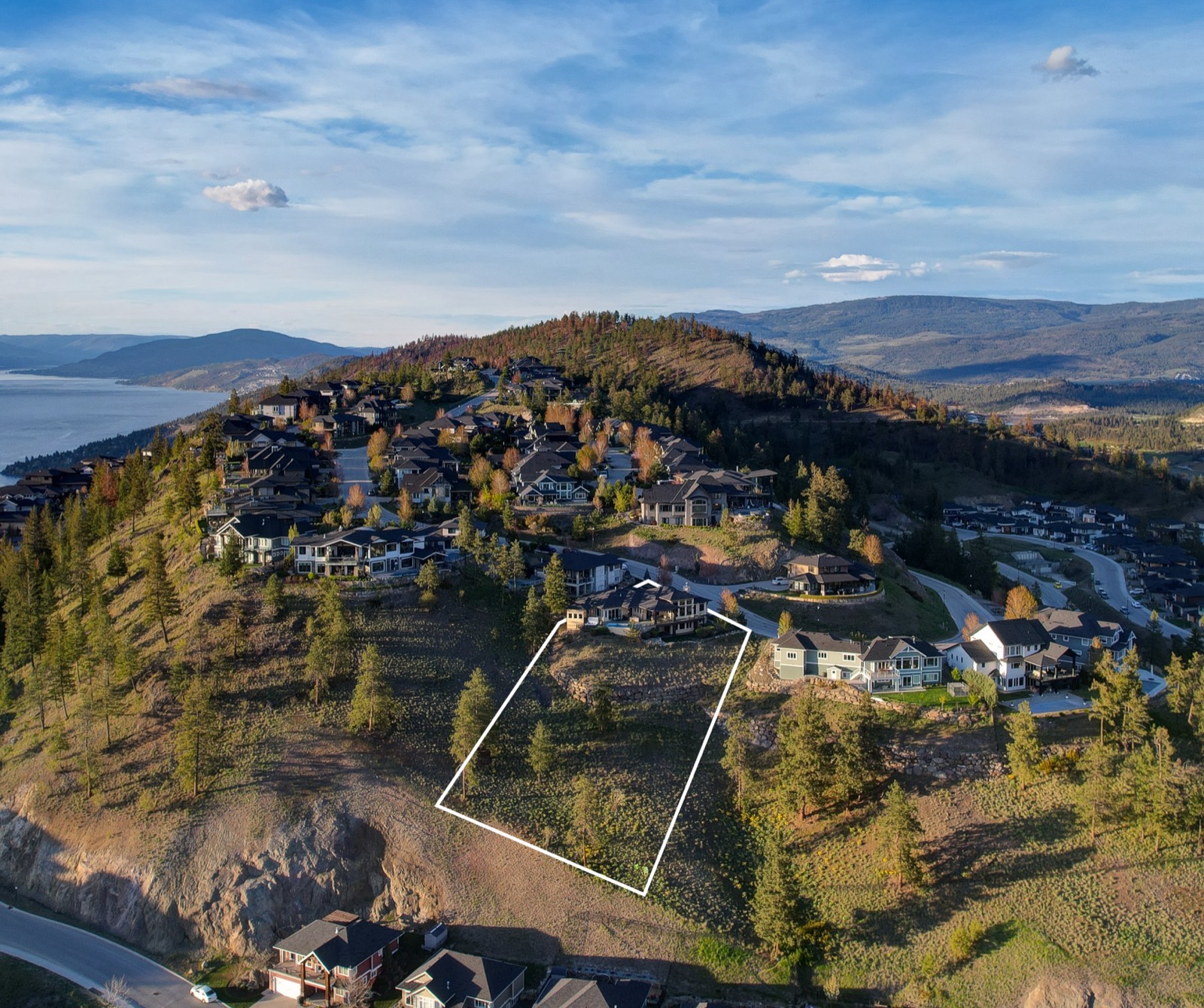
Doing a CMA with no comparable sales in Canada means shifting from a direct-comparison model to a layered evidence approach: you anchor on the closest imperfect comps, adjust aggressively for differences, then corroborate the result with cost-approach logic, local absorption data, and seller-facing narrative. That combination — not a single magic comp — is what produces a number you can defend at the table.
What do you actually do when there are zero usable comps?
When there are no usable comparable sales, you build your price opinion from three independent inputs and triangulate: the adjusted value of the nearest imperfect comps (even if they are older, smaller, or in a different community), a rough cost-to-replace estimate using local contractor pricing minus depreciation, and the listing's own history including any previous appraisals, assessments, or permits. Where all three inputs converge is your defensible range.
- Expand geography first. Most boards allow you to pull comps from adjacent municipalities or rural townships. A sale 40 km away in a structurally similar community is more useful than nothing.
- Expand time second. Push your window out to 24 or even 36 months, then apply a monthly market-shift adjustment based on your board's benchmark index or average price trend data for the region.
- Use active listings as a ceiling. Active listings are not comps, but they set the upper bound of buyer tolerance. If nothing has sold at $X, and three properties have been sitting at $X for six months, that is data.
- Pull assessed value as a sanity check. Municipal assessments lag real values, but the ratio of sale price to assessment (the sales-to-assessment ratio) is often consistent within a township. If similar rural properties routinely sell at 110 % of MPAC assessment, apply that ratio cautiously.
How do you adjust a comp that is barely comparable?
You adjust an imperfect comp by isolating each material difference between it and the subject property, assigning a dollar value to each difference based on what buyers in that market demonstrably pay or discount, and documenting every adjustment so the seller can follow the logic. The goal is not a perfect number — it is a transparent process that shows the seller you have done rigorous work, not guesswork.
In thin markets, the biggest adjustment categories are usually waterfront versus non-waterfront, acreage, year built and functional condition, and access type (year-round road versus seasonal). For each, you are trying to find at least one paired-sale example — two properties that sold around the same time and differ in only that one feature — to quantify the adjustment. If you cannot find a paired sale, use contractor quotes, local land listings, or conversations with appraisers in the area to estimate the premium or discount. Write your source in the work file. If a seller or their lawyer ever challenges the opinion, that documentation is what protects you.
Avoid adjusting more than roughly 25–30 % of a comp's sale price in total adjustments. If your adjustments are larger than that, the comp is telling you very little and you should note it as a reference point rather than treating it as a primary anchor.
How do you present a comp-thin CMA so the seller trusts it?
You present a comp-thin CMA by leading with transparency: acknowledge the thin data, explain the methodology clearly, and reframe the scarcity as something that affects any buyer's bank financing just as much as it affects your analysis. Sellers in rural and recreational markets have often heard "it's hard to price" — what they need is a structured answer, not a shrug.
A script that works well at the table sounds like: "I'm going to be straight with you — the MLS data for this property type in this area is thin, and any agent who hands you a confident single number without explaining their work is guessing. What I've done is build the price from three different directions and show you where they overlap." Then walk them through each layer on paper.
Structure the presentation in three named sections:
- The market evidence section: your adjusted comps, even the imperfect ones, with every adjustment itemized and sourced.
- The cost section: a rough replacement-cost estimate (land value plus depreciated structure cost) to show the floor below which a well-informed buyer would build instead of buying.
- The absorption section: how long similar properties in the region have been taking to sell, and at what list-to-sale ratio. This sets expectations around days on market and reduces the chance the seller insists on an aspirational price that stalls the listing.
That three-part structure also protects you professionally. If the property later appraises below your recommended list price — a real risk when comps are thin and a buyer brings in a lender — you can point to the documented methodology and show that you flagged the uncertainty from the start. This is especially important in Ontario, where TRESA's transparency obligations are explicit about material facts and representation. For a broader look at how those obligations affect listing practice, our post on TRESA phase 3 changes what Ontario agents need to know is worth a read before your next rural listing appointment.
What tools make a comp-thin CMA faster to build and easier to show?
The tools that help most are a CMA template that forces you to document adjustments in writing, a reliable source of cost-per-square-foot construction data for your region, and a presentation format the seller can read without real-estate training. Anything that reduces the gap between your analysis and the seller's comprehension increases your chance of winning the listing at a defensible price — and getting to a successful close.
Qlarify's listings platform lets you build and present these layered price opinions in a clean, client-facing format that walks sellers through each section in sequence. Rather than arriving with a printed spreadsheet the seller squints at, you can move through the cost section, the market evidence section, and the absorption data interactively — pausing where questions come up.
On the narrative side, once you have your price range locked, you will need a listing description that does real work for a property that lacks easy comparables. Buyers of rural and recreational properties are often buying a lifestyle as much as a structure, and the description has to carry more weight than it would in a dense urban market. Our guide on how to write listing descriptions that sell covers exactly that. And if you are navigating a market where prices have been sliding alongside thin inventory, our post on what to tell sellers when the forecast keeps dropping gives you language for those harder conversations around price expectations.
The deeper skill in doing a CMA with no comparable sales in Canada is not finding a shortcut — it is being more rigorous than the market data forces you to be. Sellers in thin markets have often had agents walk away or hand them a number with no explanation. When you show up with a documented, three-part methodology and a willingness to explain every line, the listing is usually yours.